
Blog
Vape Authentication Technology Trends to Watch
May
Counterfeit vapes do not fail quietly. They show up in off flavors, weak draws, sketchy packaging, and that nagging feeling you took a risk on the wrong device. That is exactly why vape authentication technology trends matter right now. For adult buyers who want premium performance, authentic flavor profiles, and confidence at checkout, verification is no longer a bonus feature. It is part of the product.
The disposable vape market has grown fast, and counterfeiters have moved just as fast. Brands that want to protect their reputation and customers are being pushed to build smarter systems into packaging, hardware, and post-purchase verification. The result is a clear shift away from simple labels and toward layered authentication that feels more modern, more precise, and harder to fake.
Why vape authentication technology trends matter more now
A few years ago, many shoppers judged authenticity by looking at the box, the finish, and maybe a scratch-off code. That still has value, but it is no longer enough on its own. Counterfeit packaging has become more convincing, and low-effort copies can look premium from a distance.
That changes the standard. If a brand positions itself as high-end, the authentication experience has to match. Buyers expect more than a generic sticker. They want proof that feels immediate, accurate, and built into the ownership experience. In a premium category, trust has to be visible.
There is also a business reality behind this. Counterfeits do not just steal sales. They weaken customer loyalty, create confusion around quality, and make a legitimate product look inconsistent. Authentication technology helps protect margins, but it also protects brand image. For premium disposable devices, that distinction matters.
NFC is becoming a premium signal
One of the strongest vape authentication technology trends is the rise of NFC-based verification. Near Field Communication gives brands a faster and more sophisticated way to confirm product legitimacy. Instead of relying only on printed codes, the user can tap with a compatible phone and access verification data tied to that specific unit or package.
For shoppers, the appeal is obvious. It feels current. It feels intentional. It also cuts down on guesswork. A tap-based system can be easier than manually entering serial codes, and that convenience matters when customers want quick reassurance.
For brands, NFC does more than create a sleek user experience. It can make duplication more difficult, especially when paired with secure backend validation. That does not mean NFC is impossible to imitate in every scenario. No single security feature is perfect. But as part of a layered strategy, it raises the bar significantly.
This is one reason premium-focused retailers and manufacturers are leaning into authentication as part of the product story, not just the compliance story. A polished verification step supports the same message as premium packaging and refined device design – this is a product built with intention.
Smart packaging is getting more sophisticated
Packaging used to be treated as the outer shell. Now it is part of the security system. Holographic details, serialized labels, tamper-evident seals, microprint elements, and dynamic QR experiences are all becoming more common.
The important shift is not that any one of these features is new. It is that brands are combining them. A counterfeit seller may copy one visual element, but copying multiple layers with consistency is much harder. That is where smart packaging becomes effective.
There is also a branding advantage here. Premium vape buyers notice presentation. If the authentication elements are integrated well, they reinforce exclusivity instead of making the product feel clinical. Done poorly, security can look cheap or distracting. Done well, it supports the luxury feel while still doing a serious job.
That balance matters for a brand selling style as much as performance. Packaging should protect trust without losing visual appeal.
The shift from visible proof to connected proof
Visible proof still matters. Buyers often inspect the finish, color quality, print clarity, and seal condition before they ever verify digitally. But connected proof is becoming the stronger trust signal.
A connected verification flow can confirm whether a code has already been scanned, whether a unit belongs to a valid production batch, or whether the packaging data matches what the system expects. That extra layer moves authentication away from appearance alone. In a market where good fakes can look convincing, that is a major step forward.
Serialization is getting sharper and more useful
Another trend worth watching is more advanced serialization. Unique identifiers tied to individual units or batches allow brands to track movement through the supply chain and validate products at the point of sale or after delivery.
This matters because counterfeits do not always enter the market in obvious ways. Sometimes the problem is not a fake storefront. It is gray-market movement, reused packaging, or copied codes. Better serialization helps flag unusual patterns, including repeated scans from multiple locations.
For customers, this can translate into clearer confidence. A valid code that checks against live product data feels more trustworthy than a static code printed on cardboard. For retailers and brand operators, serialization creates a more actionable system for investigating fraud.
The trade-off is complexity. More sophisticated serialization requires stronger data management, better support systems, and ongoing monitoring. Brands that do it halfway may create friction without delivering real protection. The best implementations feel simple to the buyer because the technical heavy lifting happens behind the scenes.
Authentication is becoming part of the shopping decision
This is one of the biggest shifts in the market. Verification used to matter most after purchase. Now it influences where people buy in the first place.
Adult consumers shopping for premium disposables are paying closer attention to whether a retailer discusses authenticity clearly, explains verification methods, and provides confidence signals before checkout. That behavior is rational. If buyers know counterfeits exist, they want to reduce risk early, not after the package arrives.
That means authentication is no longer just an anti-fraud tool. It is also a conversion tool. A store that explains how product verification works can reduce hesitation and support repeat business. For premium ecommerce, reassurance is part of performance.
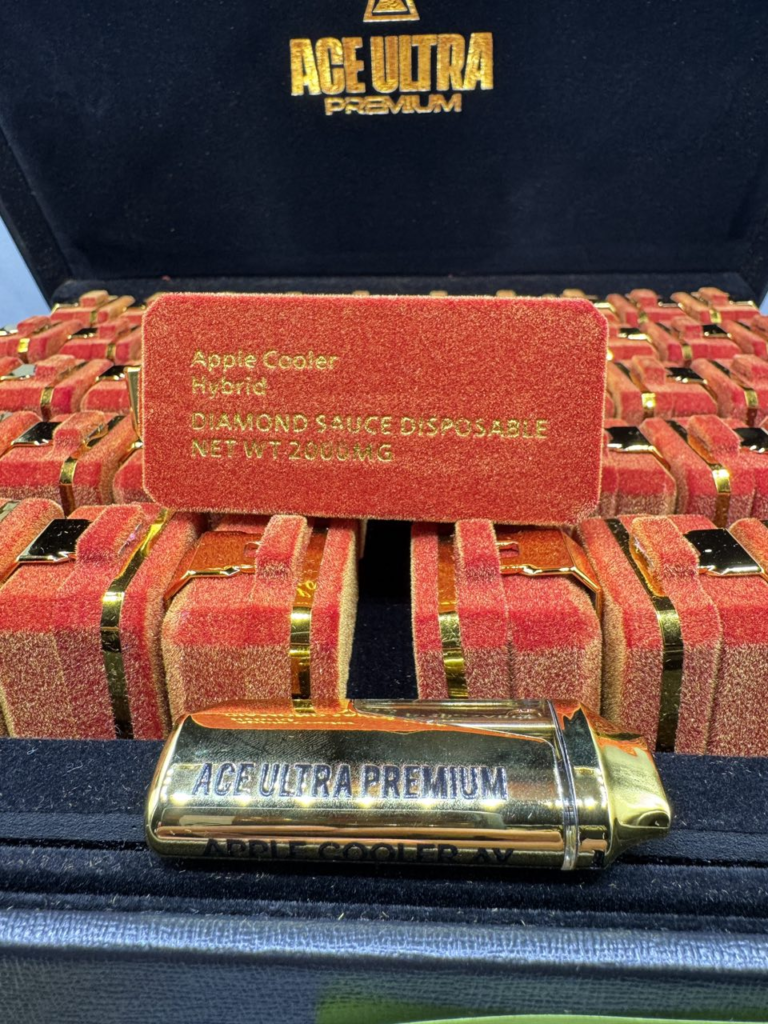
This is where a brand like Buy Ace Ultra Vape fits naturally. When a retailer centers authentic product assurance alongside elevated presentation, shipping support, and a polished buying experience, it speaks directly to what premium disposable buyers actually want – convenience without compromise.
Mobile-first verification is setting the standard
Most shoppers are not sitting at a desktop studying packaging details. They are on their phones, often moving quickly, and they expect answers fast. That is why mobile-first verification is becoming a standard feature rather than a nice add-on.
Whether the technology uses NFC, QR-assisted flows, or serial lookup systems, the experience has to work cleanly on mobile. If verification is clunky, slow, or unclear, users may skip it altogether. That weakens the value of the system.
The better trend is simple, direct, and confidence-building. Tap, scan, confirm. If there is a problem, the message should be clear enough that the customer knows what to do next. Premium brands should not make customers decode vague warnings.
Better verification still needs better education
Even the best system can fail if buyers do not know it exists or do not understand how to use it. That is why education remains part of the authentication conversation.
Short explanations on product pages, packaging prompts, and post-purchase messaging all help. The goal is not to overwhelm people with technical details. It is to show that verification is easy, available, and worth using. In a high-risk counterfeit environment, educated buyers are harder to fool.
What buyers should expect next
Looking ahead, the strongest authentication systems will likely combine physical packaging markers, digital verification, and backend monitoring. More brands will treat authentication as a core part of product development rather than a patch added later.
We will also likely see a bigger gap between premium operators and low-effort sellers. Premium brands have more incentive to invest in security because they have more to lose from knockoffs. That means shoppers may start treating advanced verification as a sign of category leadership.
There is still an it-depends factor here. Not every technology will fit every device line or price point. Some systems are more expensive to implement. Others create more friction than they solve if executed poorly. But the direction is clear. The market is moving toward smarter, more connected proof of authenticity.
For adult vape buyers, that is good news. Better authentication protects more than a purchase. It protects the experience people are actually paying for – the flavor, the finish, the consistency, and the confidence that what arrived is the real thing. As vape authentication technology trends keep evolving, the brands that invest in trust will stand out faster than the ones that only talk about it.
When you shop premium, verification should feel just as premium. That is not extra. That is the standard.
